
In numbers
26years
Mornings with snow on 11 November at the Churáňov station, 1961 to 2025 (out of 65 measured years)
4years
Mornings with snow on 11 November at the Prague-Ruzyně station, 1961 to 2025 (out of 65 measured years)
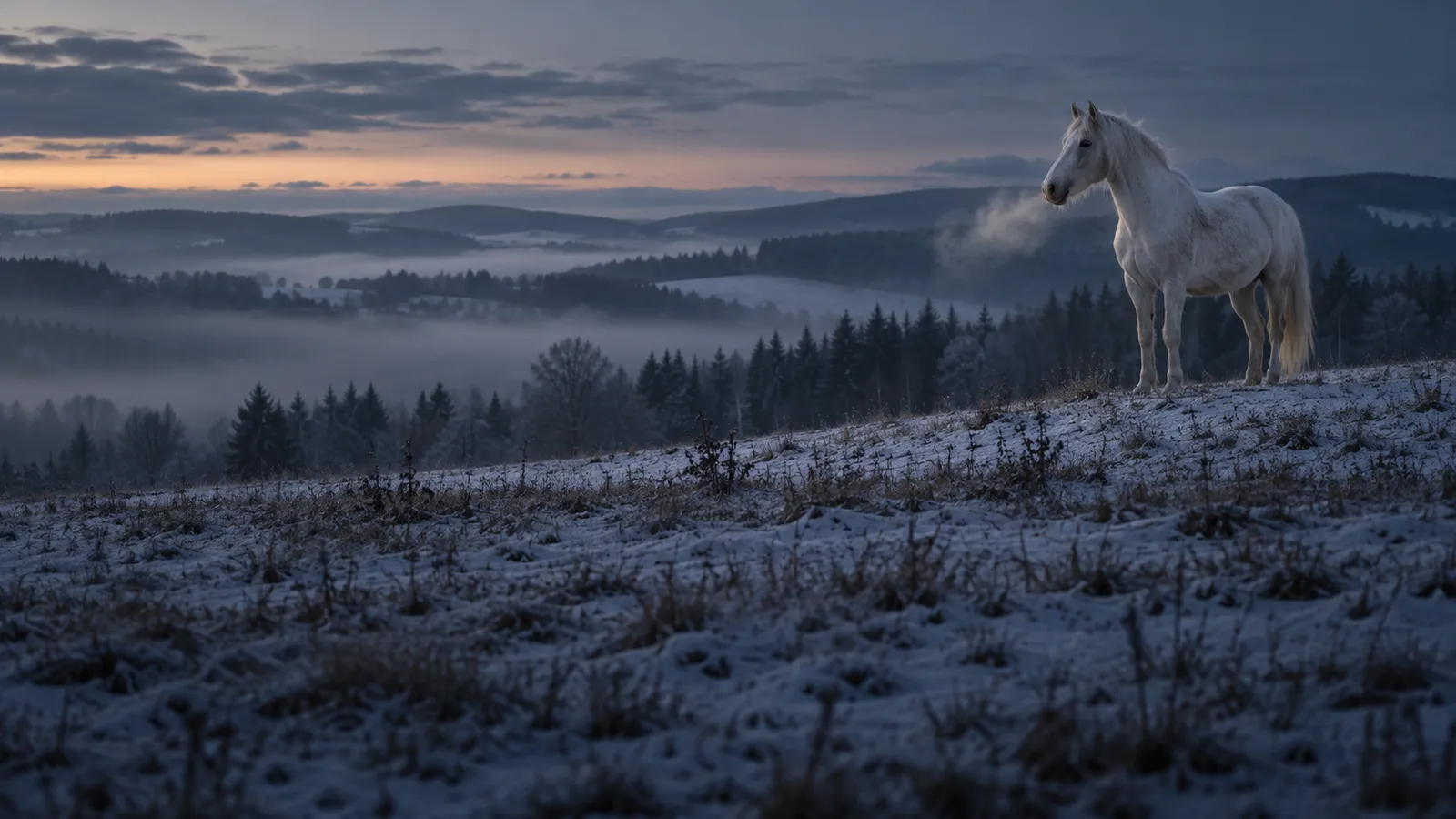
The white horse keeps to the mountains. At Churáňov in the Šumava, a mountain range on the Czech–German border, snow lay on the morning of 11 November in 26 of 65 years, and on Lysá hora, a peak in the north-east of the country, in 25, while the lower-lying stations Brno-Tuřany, Ostrava-Mošnov and Cheb had it at most twice. We calculated this from the morning measurements of the ČHMÚ at eight stations for the years 1961 to 2025.
01Calculation
How many times in 65 years Martin really arrived
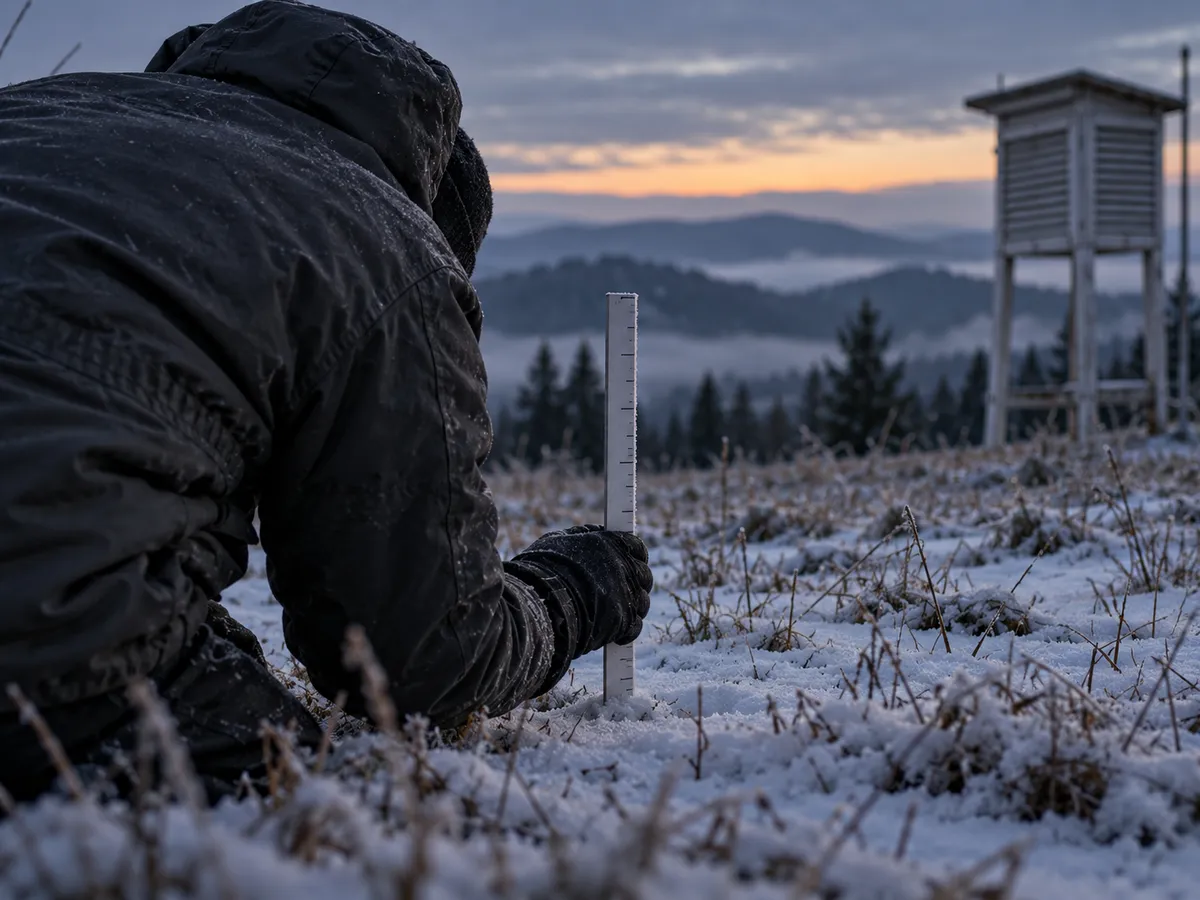
We distinguish two things. Lying snow means that at 7 am CET on the morning of 11 November the snow cover at the station was deeper than 0 cm, so Martin really did arrive on a white horse. New snow is snow that fell during the feast day itself, between 7 am on 11 November and 7 am on 12 November.

At the Prague-Ruzyně station snow lay on the morning of 11 November in four of 65 years, in 1980, 1981, 2004 and 2007. At the Brno-Tuřany station it did not lie even once, at the Ostrava-Mošnov station only in 1981, and at the Cheb station in 2004 and 2007. None of these series is missing a measurement for any year.
| Station | Height (m) | Snow lying in the morning | New snow | Last time snow lay |
|---|---|---|---|---|
| Brno-Tuřany | 241 | 0 of 65 | 3 of 65 | never in the series |
| Ostrava-Mošnov | 253 | 1 of 65 | 4 of 65 | 1981 |
| Prague-Ruzyně | 364 | 4 of 65 | 3 of 65 | 2007 |
| Cheb | 483 | 2 of 65 | 2 of 65 | 2007 |
| Přimda | 743 | 9 of 65 | 7 of 65 | 2016 |
| Milešovka | 831 | 9 of 65 | 6 of 65 | 2016 |
| Churáňov | 1118 | 26 of 65 | 11 of 65 | 2023 |
| Lysá hora | 1322 | 25 of 65 | 18 of 65 | 2019 |
The mountains lead by a wide margin. At Churáňov in the Šumava snow lay on the morning of 11 November in 26 of 65 years, last in 2023, and on Lysá hora in 25 years, last in 2019. Přimda and Milešovka have nine years each, both last in 2016.
02Earlier report
Four snowy Martins in ten years, three of them only in the mountains
Meteorologists of the ČHMÚ summed up in a report from November 2022 that the saying had come true in Czechia four times in the previous ten years, when it snowed in 2013, 2016, 2017 and 2019. Only in 2016 did snow appear across a considerable part of the country, while in the other cases it fell only in the mountains and soon melted.
| Year | Where | How much |
|---|---|---|
| 2013 | Lysá hora and Abertamy | 1 cm |
| 2016 | Špičák Železná Ruda, the most in that year | 8 cm |
| 2016 | Chanovice, Paseky and Hvozdec, stations up to 600 m above sea level | at most 4 cm |
| 2016 | Prague (Chodov, Komořany, Libuš, Ruzyně, Zadní Kopanina and Suchdol) | 1 cm, Suchdol 2 cm |
| 2017 | Luční bouda in the Krkonoše mountains | 20 cm |
| 2017 | Šerák in the Jeseníky mountains | 6 cm |
| 2019 | Milešovka and three stations near the border with Saxony | fresh snow |
In Prague one to two centimetres of snow fell in 2016, but only during the feast day. That is why our calculation counts Ruzyně among the days with new snow, not among the mornings when snow was already lying. The ČHMÚ in its report counted days when it snowed. Our calculation also shows the mornings when older snow was lying.
In 2023 snow appeared on St Martin's Day only at higher elevations and in the mountains. In our calculation new snow was added at Churáňov and on Lysá hora, while Prague-Ruzyně, Brno-Tuřany, Ostrava-Mošnov and Cheb stayed without it.
03Origin of the saying
The white horse is younger than you think
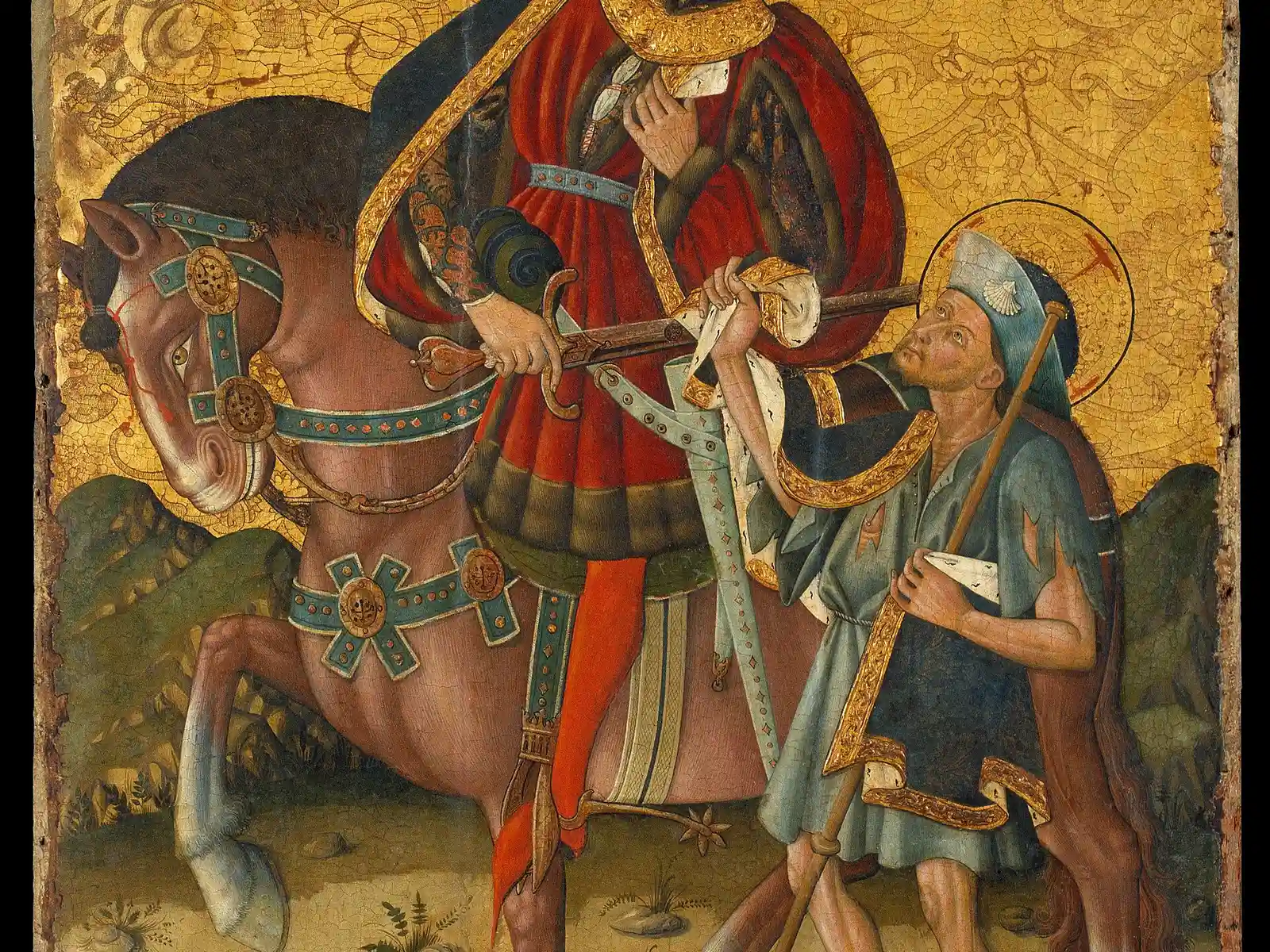
The saying about the white horse looks as old as the feast day itself, yet according to the meteorologist Jan Munzar the origin of sayings about the colour of Martin's horse goes back only to about the middle of the 19th century. The legend of St Martin is much older.

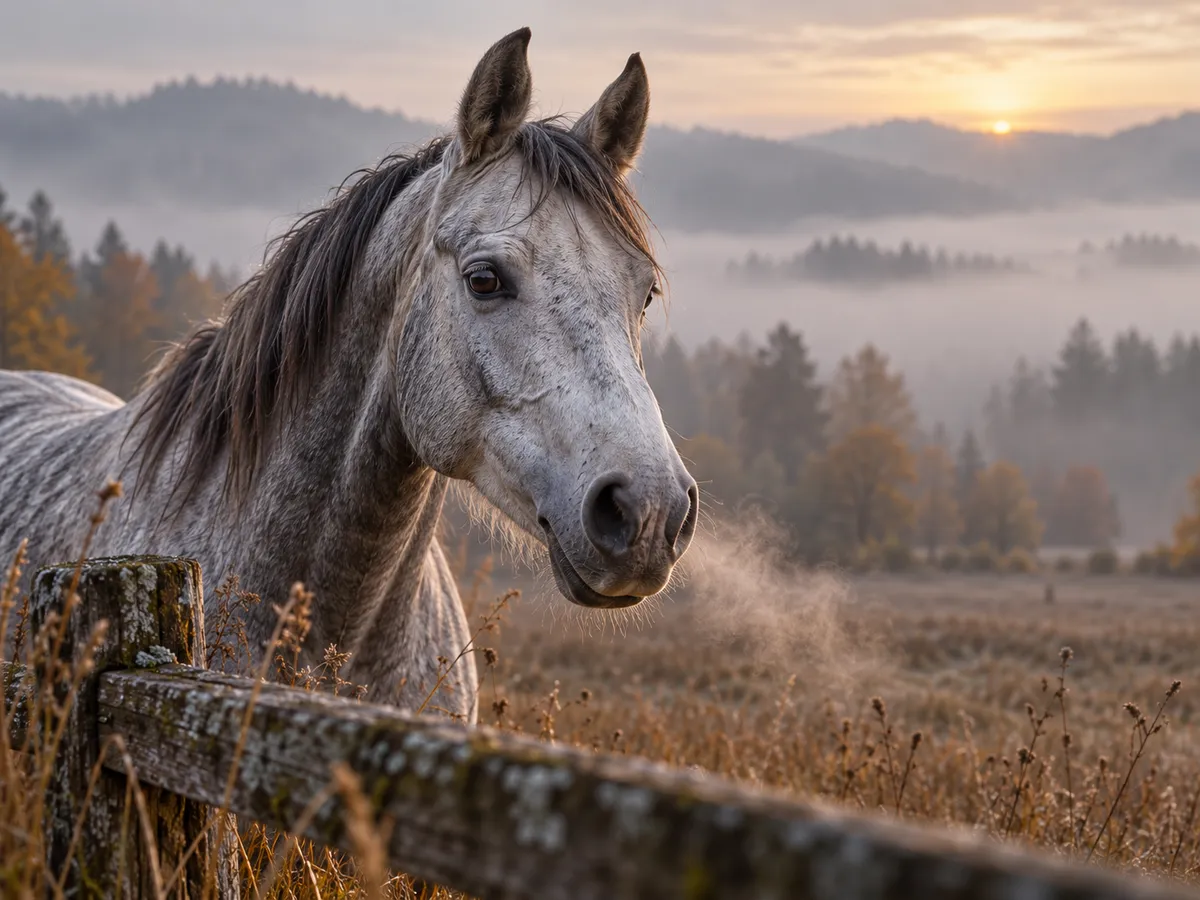
There were more horse colours than one. According to the sayings, Martin may also arrive on a grey horse, which stands for fog and foretells a changeable winter.
Martin's Day was also a day of economic settling of accounts. On that day farm servants finished their service and received their wages for the past year, new contracts were concluded in the countryside, and the servants changed masters. Grazing ended and stores were laid in for the winter, so the feast day stood on the border between two seasons.
04This year
Will he arrive this year? Only a forecast a few days ahead will tell
Daniel Kurka, then director of the Prague branch of the ČHMÚ, said in 2019 that “we can already forecast with accuracy two or three days ahead” and that “a long-term forecast is more complicated”. Whether snow will lie on the morning of 11 November will therefore be shown more reliably only by the forecast from the last days before the feast.
Historical numbers tell how rare a white horse is, not whether he will arrive this year. We wrote about the first snow on Sněžka, the highest mountain in Czechia, on 19 October 2026.
Forecast for your locationSee what 11 November looks like where you are, including the precipitation radar.Open the forecastSources13 sources · specific figures come from the sources, the general explanation from expert knowledge
- ČHMÚ (open data) (open data, calculation by Fakt počasí) (in Czech)
- ČHMÚ (open data) (open data, calculation by Fakt počasí) (in Czech)
- ČHMÚ (open data) (open data, calculation by Fakt počasí) (in Czech)
- ČHMÚ (open data) (open data, calculation by Fakt počasí) (in Czech)
- ČHMÚ (open data) (open data, calculation by Fakt počasí) (in Czech)
- ČHMÚ (open data) (open data, calculation by Fakt počasí) (in Czech)
- ČHMÚ (open data) (open data, calculation by Fakt počasí) (in Czech)
- ČHMÚ (open data) (open data, calculation by Fakt počasí) (in Czech)
- ČTK (from the ČHMÚ press release of 10 November 2022) (in Czech)
- TN.cz (text of 11 November 2023) (in Czech)
- TOP.cz (popular news website, not an expert source) (in Czech)
- Seznam Zprávy (interview with Daniel Kurka, director of the Prague branch of the ČHMÚ) (in Czech)
- Fakt počasí (our own article) (in Czech)