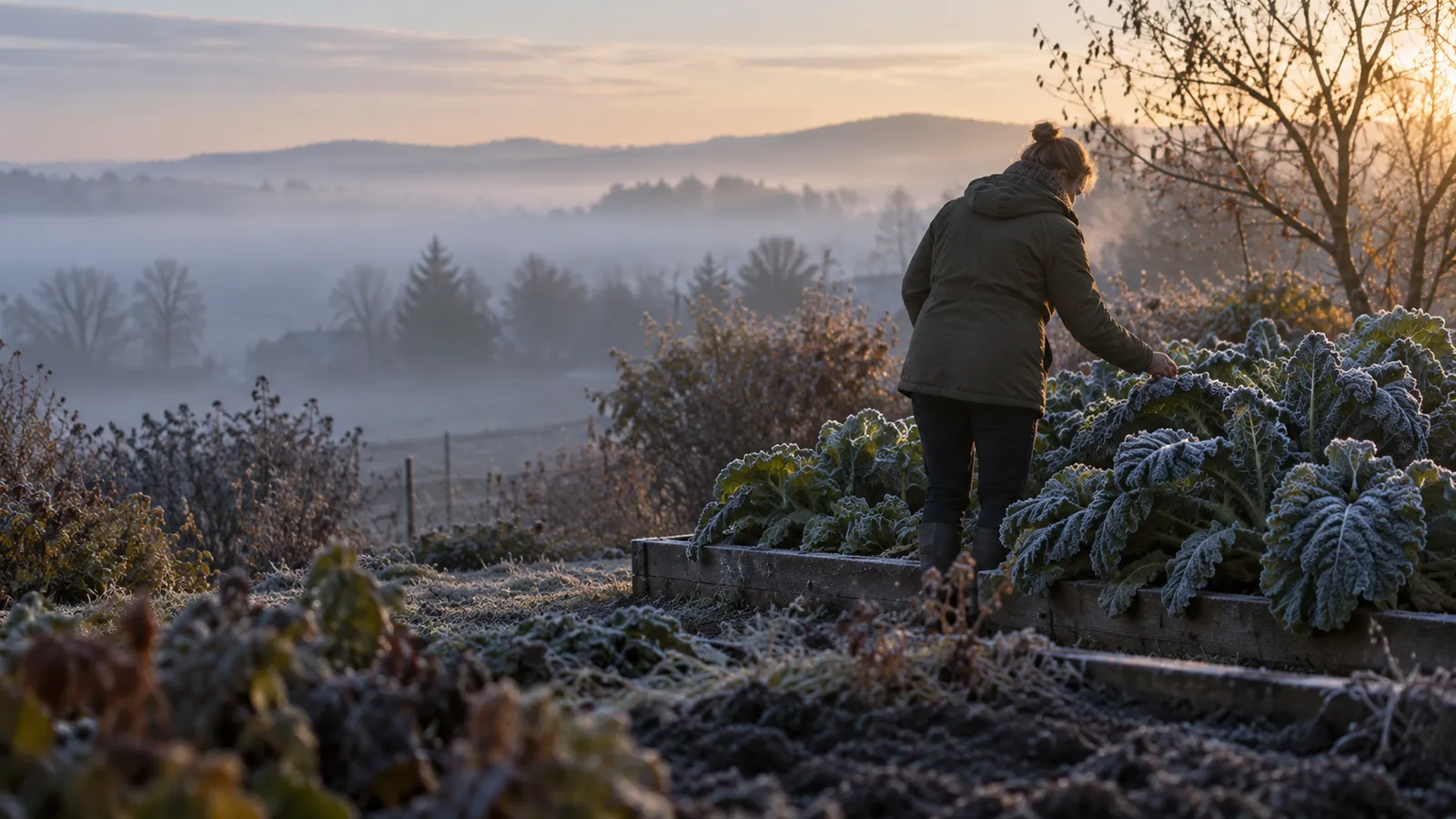
 FarmingFirst frost in the garden, what to do before it arrivesJust above the ground it is usually two to three degrees colder at night than at two metres, where the temperature for an ordinary forecast is measured. We advise what to put away in the garden and what to cover, and how much time there usually is to do it.Published 5 min read
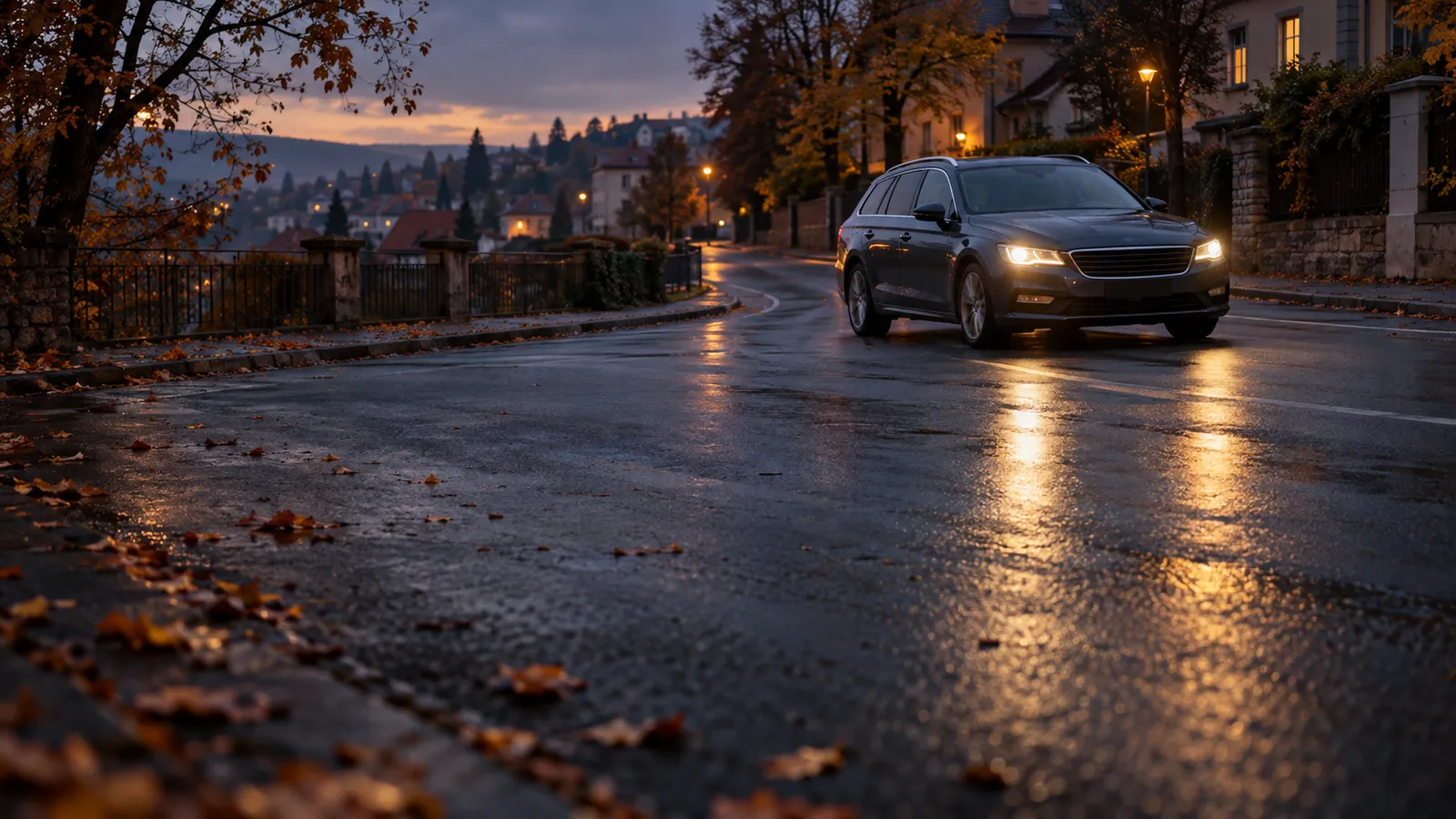 The clocks go back on 25 October. Light comes earlier in the morning, darkness earlier in the eveningIn the night to Sunday 25 October, at three in the morning the clocks go back to two. In Prague the Sun will then set at 16:52, an hour and two minutes earlier than on Saturday (17:54). We worked it out for Prague, Brno and Ostrava, and found out why we move the clocks at all.Published 8 min read
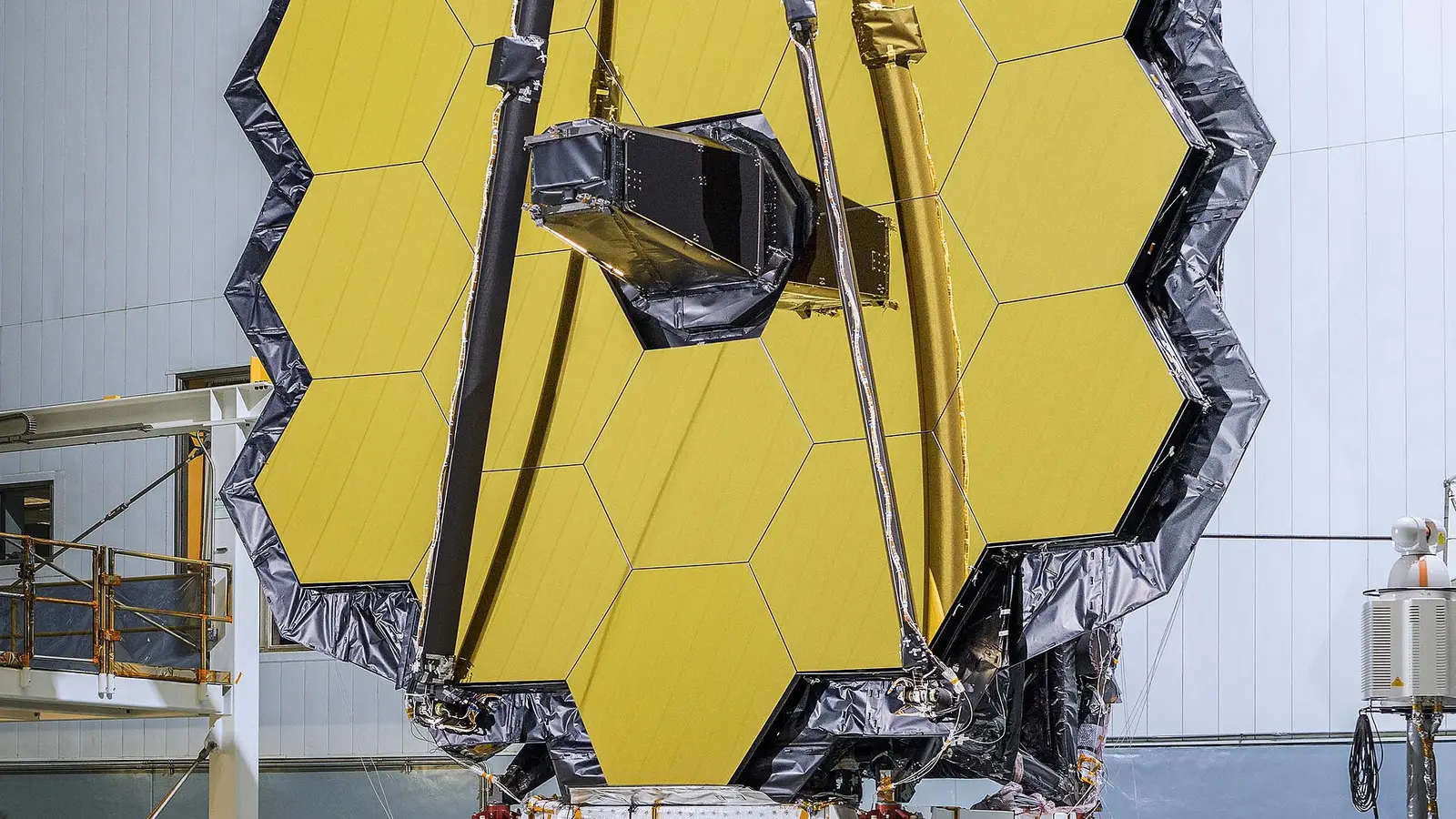 The Webb Space Telescope has found a galaxy cluster too dense for such a young universeAccording to the models, the universe was then too young for such a dense cluster of galaxies to have formed in it. The James Webb Space Telescope found one anyway. Is it a measurement error, or a genuine crack in the theory?Published 13 min read
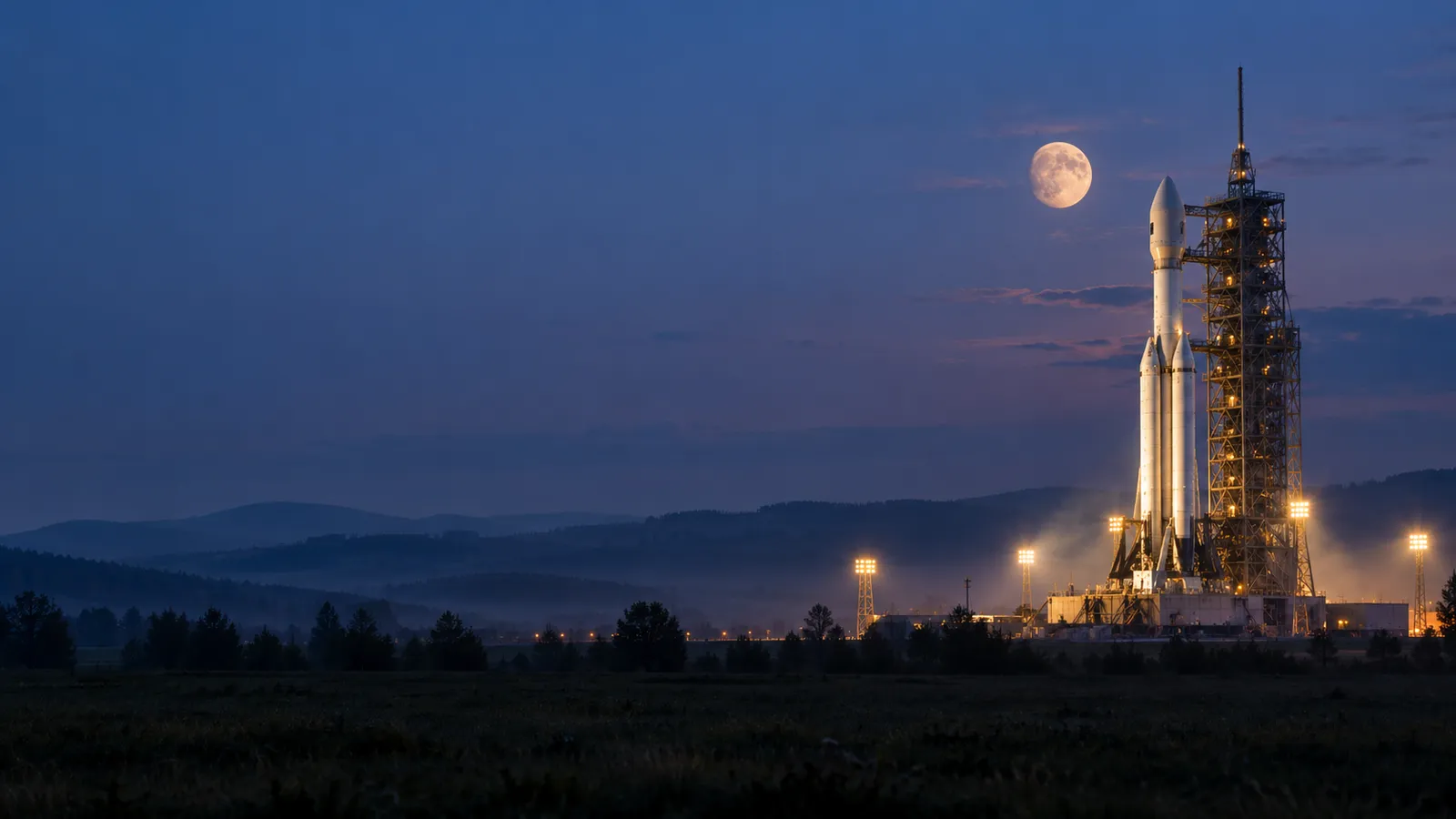 SpaceArtemis III stays near Earth, and the Moon landing will not come until 2028Artemis II took its crew around the Moon, but the next flight will stay in Earth orbit. NASA aims to return people to the surface with Artemis IV in 2028.Published 7 min read
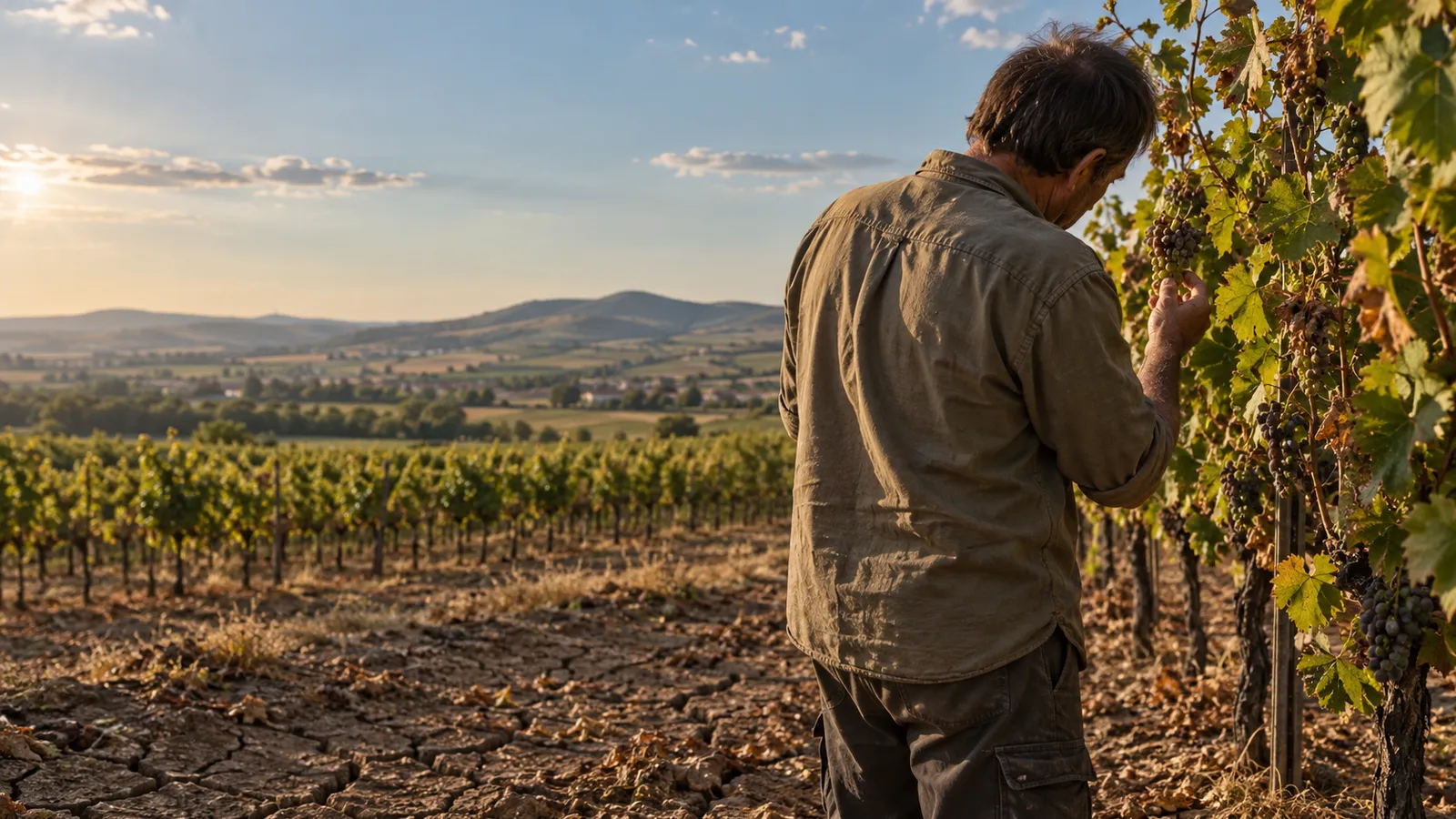 FarmingThe crop is a third smaller. Red wines could be rich, but black grapes are in declineThis year, drought and, in places, hail took roughly a third of the crop from winegrowers in Morava, in eastern Czechia. Svaz vinařů, the Czech winegrowers’ union, believes the small berries could still produce deeply coloured, full-bodied red wine. A winegrower in Rakvice objects that it is too early for such a judgement. Yet ever fewer black grapes, from which red wine is made, are being harvested, even as Morava grows warmer.Published 6 min read
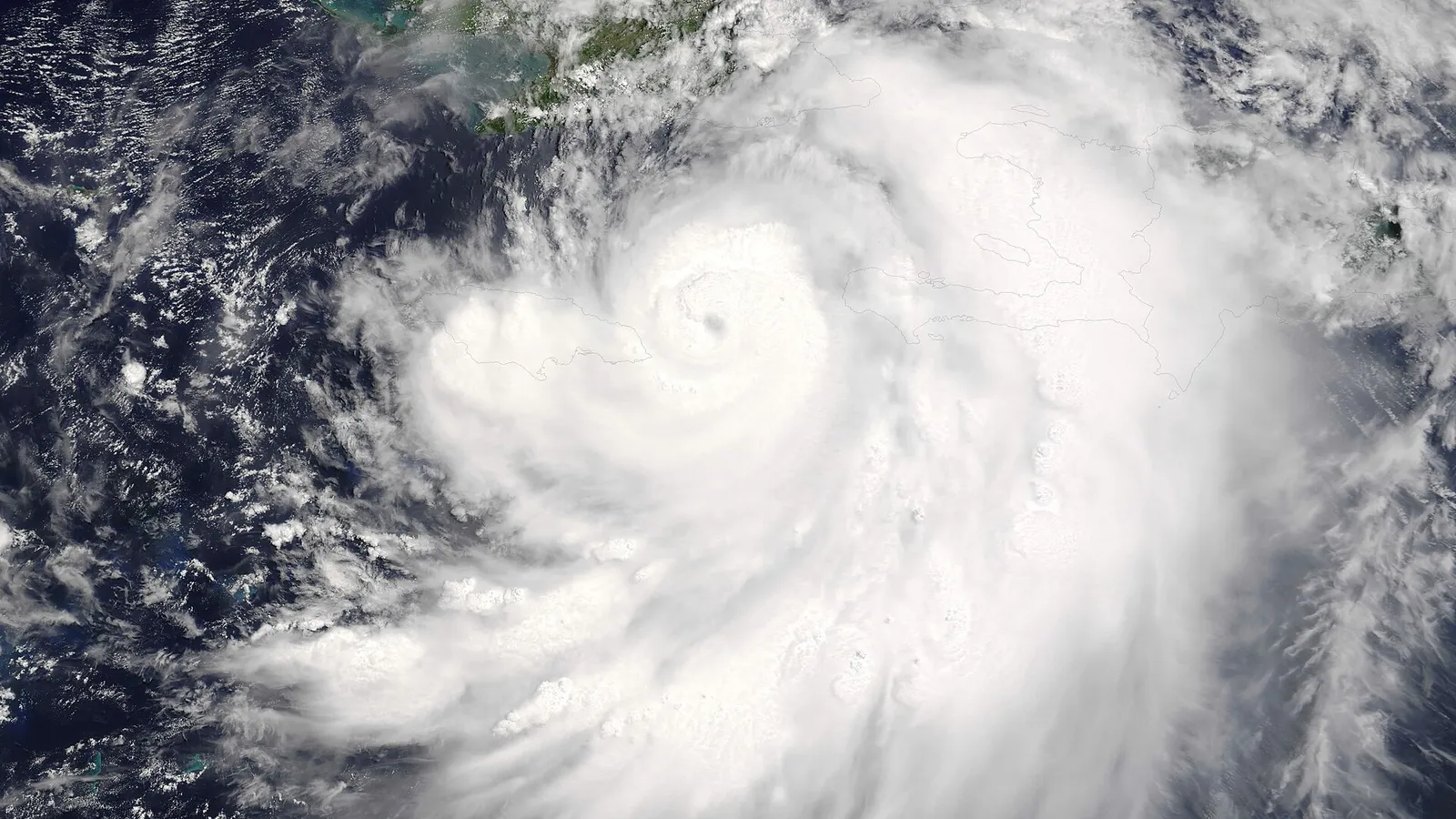 WeatherHurricanes 2026. El Niño stirs up the Pacific and takes the Atlantic's breath awayAn exceptionally strong El Niño has warmed the surface of the equatorial Pacific in places by more than 4 °C above normal. It gives storms in the eastern Pacific energy, while in the Atlantic wind shear holds them back. We explain how it works and why even a calmer season can do harm.Published 11 min read
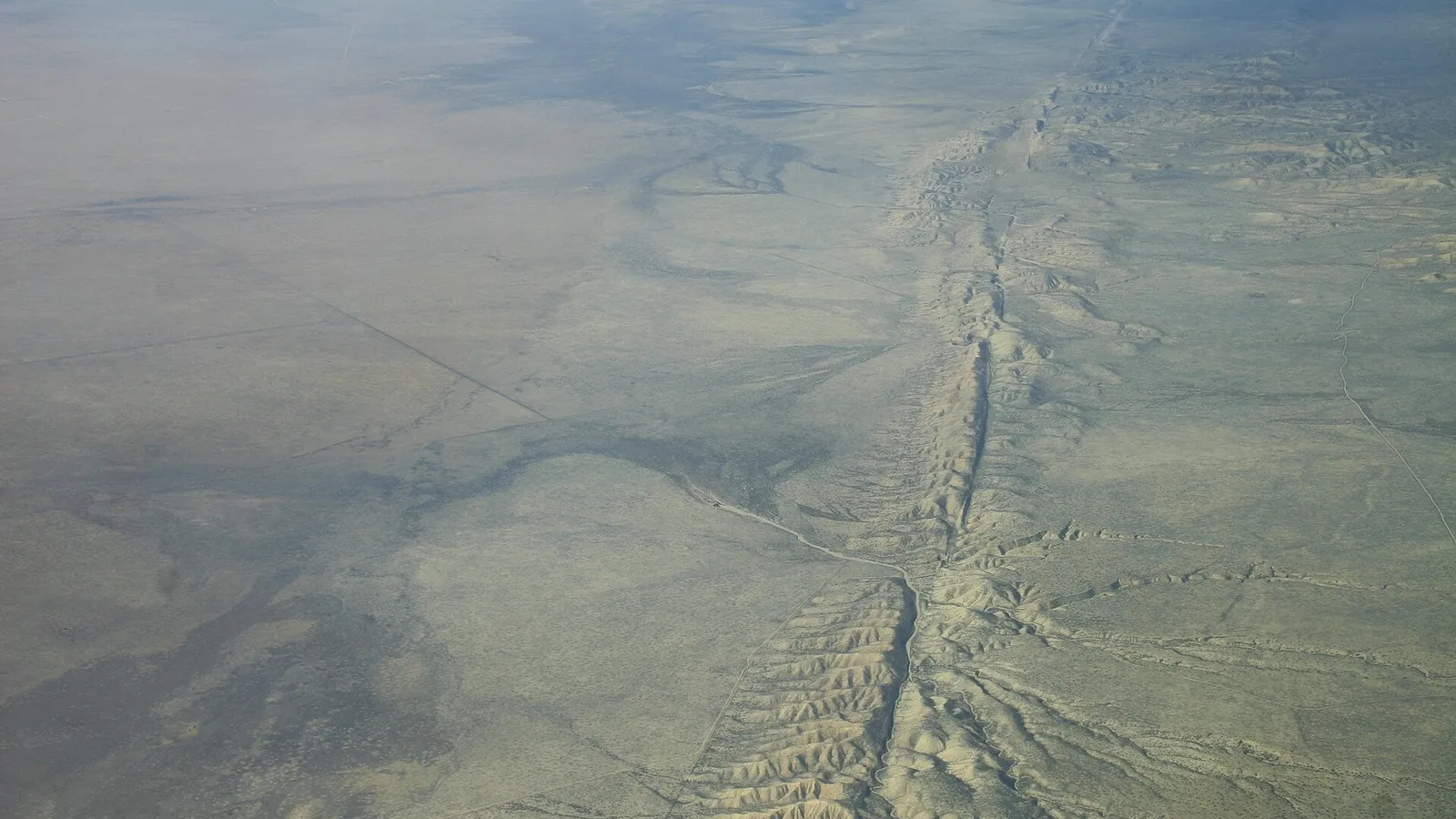 EarthThe San Andreas fault is under its greatest stress in a thousand years. The model cannot say when it will ruptureA model shows that stress beneath southern California reached its highest level in a thousand years in 2025. Near Cajon Pass, two faults could rupture together and affect a wide area around Los Angeles. But the study gives no date.Published 5 min read
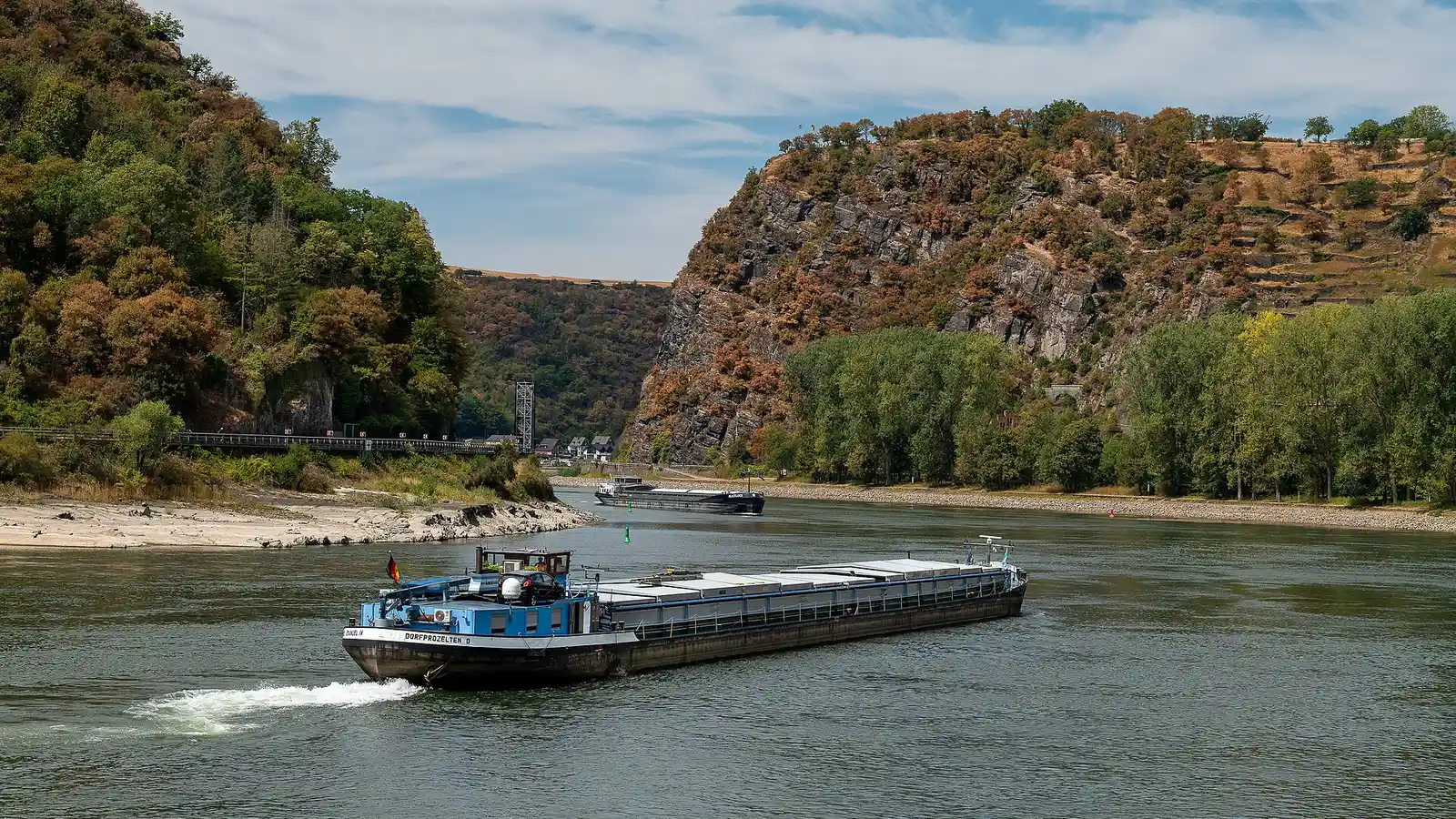 Drought and waterRhine fell below zero. Ships carried a sixth of their cargo as freight costs roseThe Kaub gauge read minus 6 centimetres on 1 October, but the river had not dried up. In late July, ships carried around 800 tonnes instead of the usual 5.1 thousand. In early August, the freight rate from Rotterdam to destinations south of Kaub rose from about 20 to nearly 150 euros per tonne.Published 5 min read
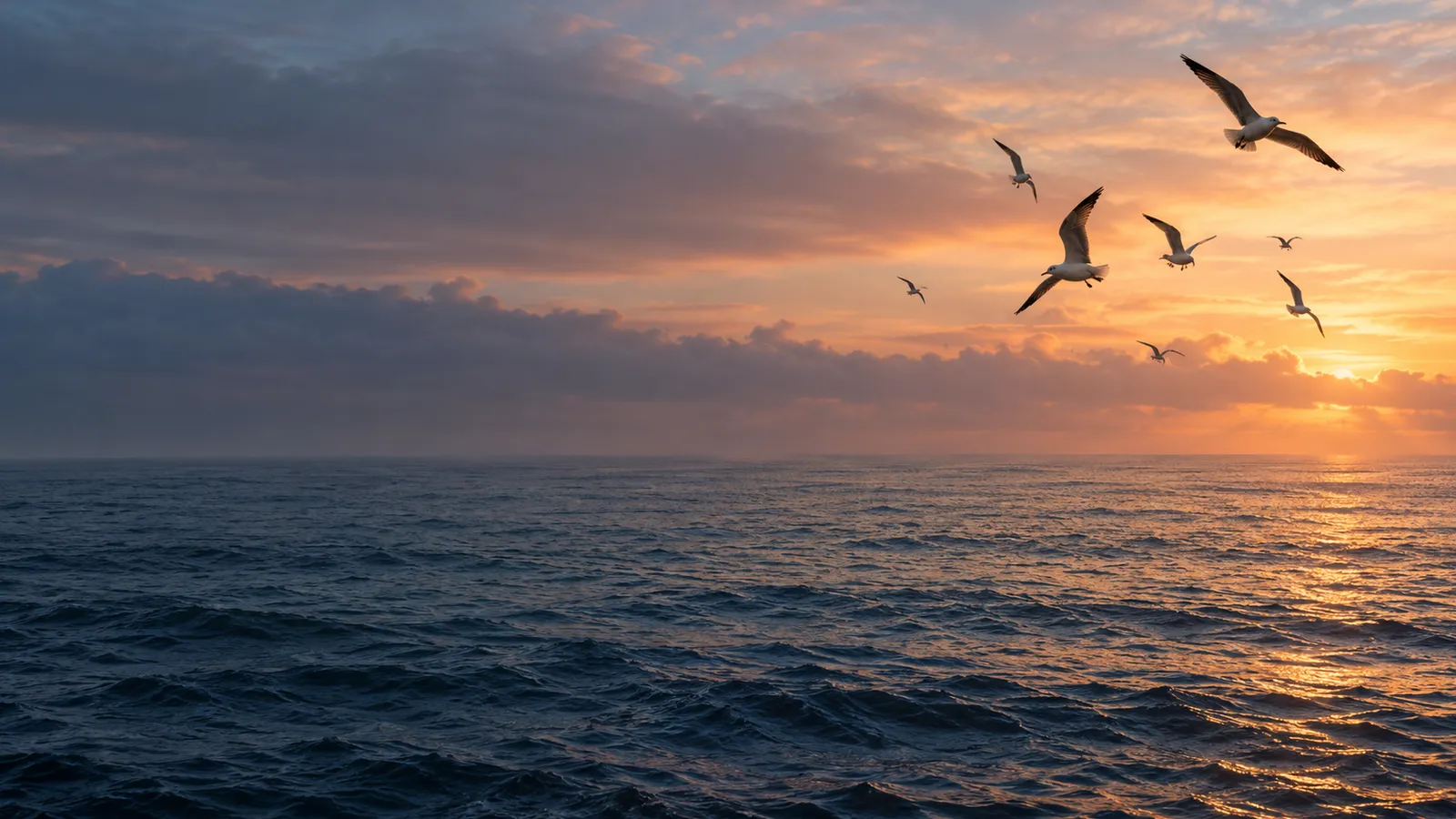 ClimateEl Niño has broken the 2015 record. Its peak is still to comeIn the monitored region of the equatorial Pacific, the daily anomaly has surpassed the 2015 record, and models expect the peak towards the end of the year. A July analysis gives 2027 a strong chance of setting a temperature record. What this means for winter in Czechia cannot be stated reliably.Published 6 min readData as of
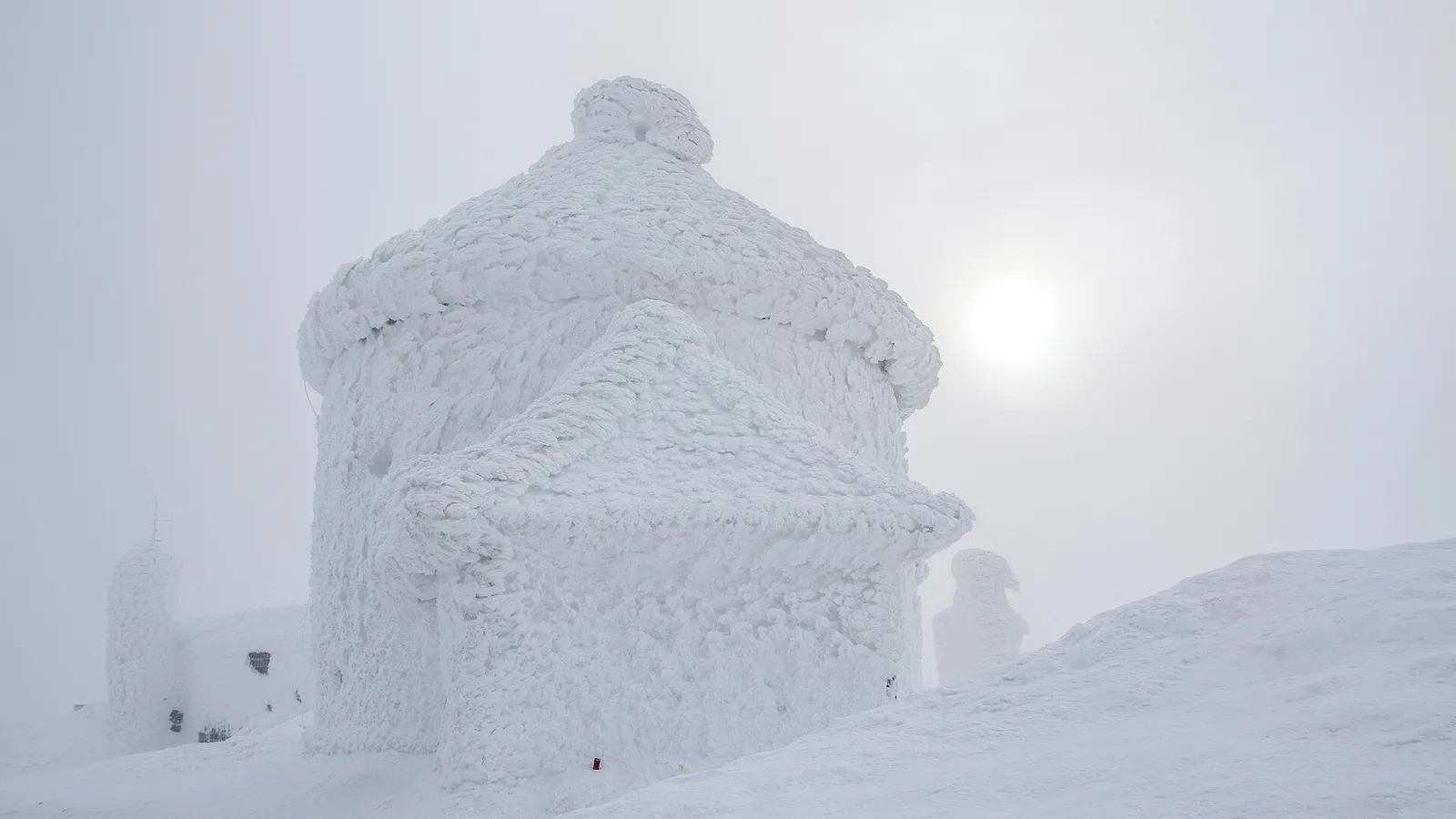 WeatherSněžka recorded the season’s first continuous snow cover on 12 October. Winter is not yet on its way to lower ground.The season’s first continuous snow cover was measured on Czech mountain Sněžka on 12 October, and wind halted services on the upper section of the cable car that day. When can lower ground expect snow too, and when should you switch to winter tyres to avoid being caught out by winter?Published 7 min read
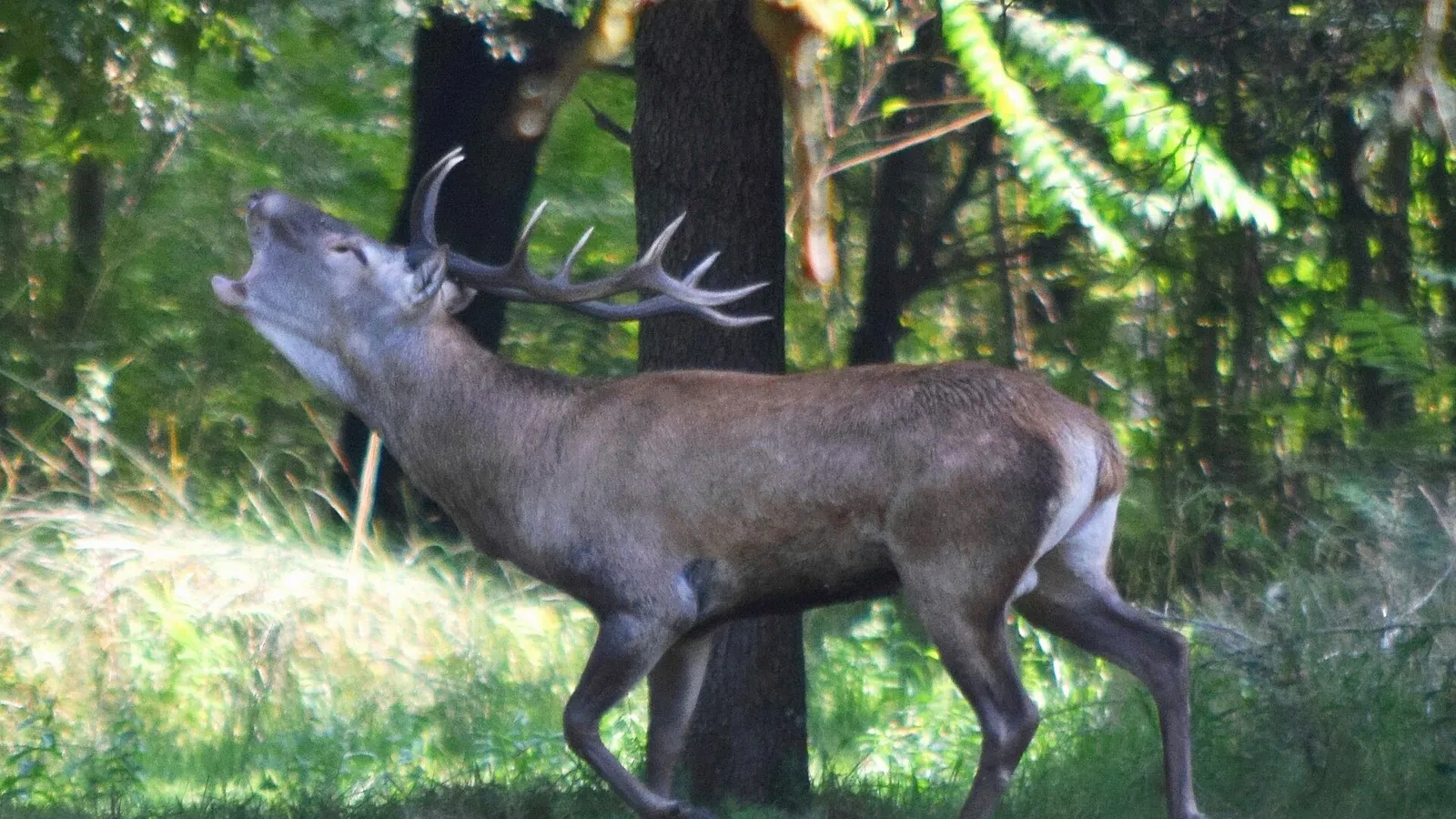 NatureThe forest may still echo with roars. Pursuing hinds takes its toll on stags during the rutIn Czechia, stags roar mainly in late September and early October. That season is drawing to a close, but a lone male may still be heard at dawn. Why does a stag barely eat during the rut and lose up to a fifth of his body weight? Where might you still hear one roaring?Published 6 min read
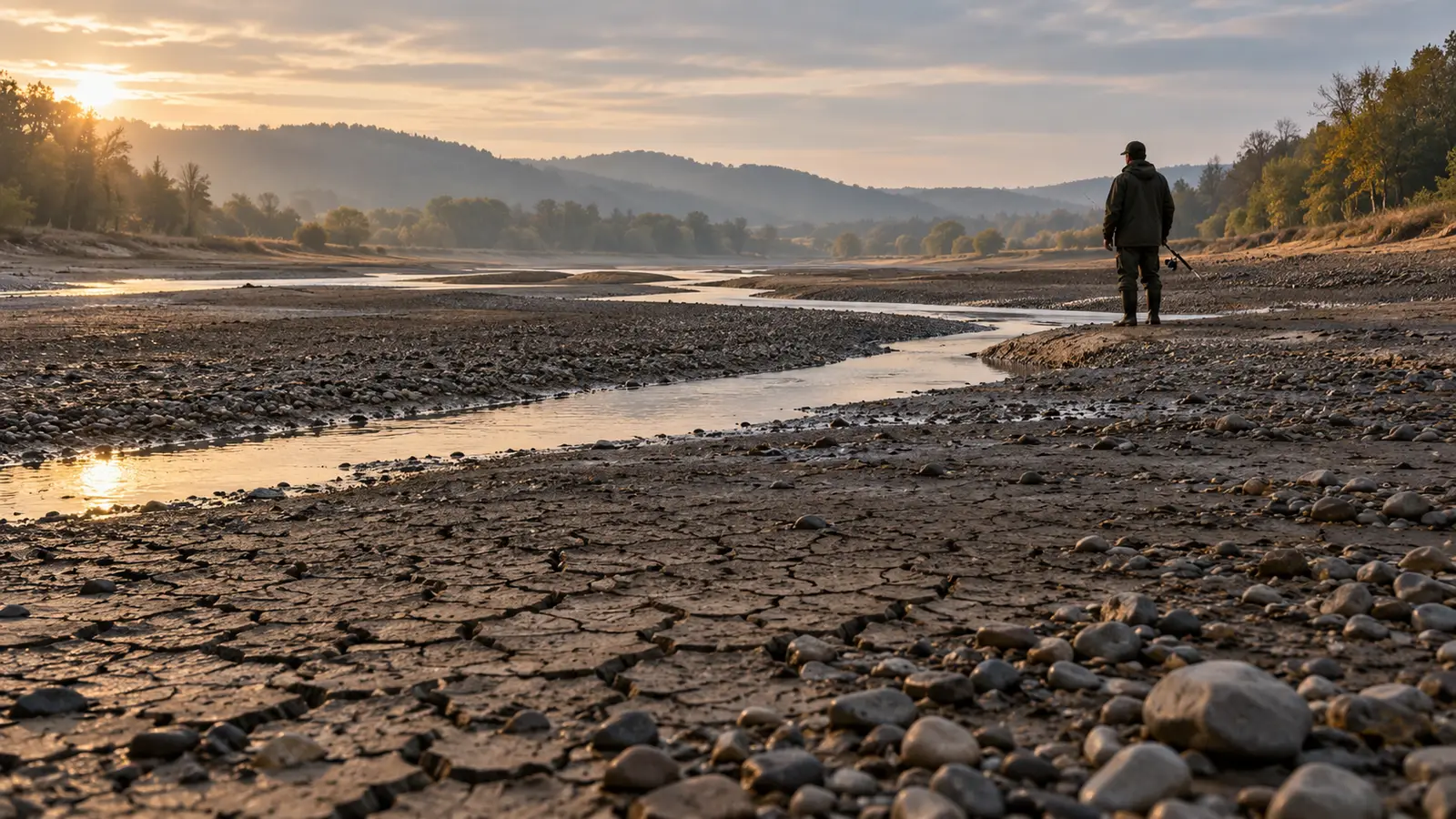 Drought and waterCzechia is drying out like in 1947. Will water return to the rivers at all?Many people remember 2018 as the peak of drought, but this year the ČHMÚ (the Czech Hydrometeorological Institute) reports the driest spring and 164 measuring profiles with a minimum comparable to 2018 or lower. Before water returns to rivers and wells, rain must repay the debt that has been accumulating in the soil and underground all year.Published 15 min read
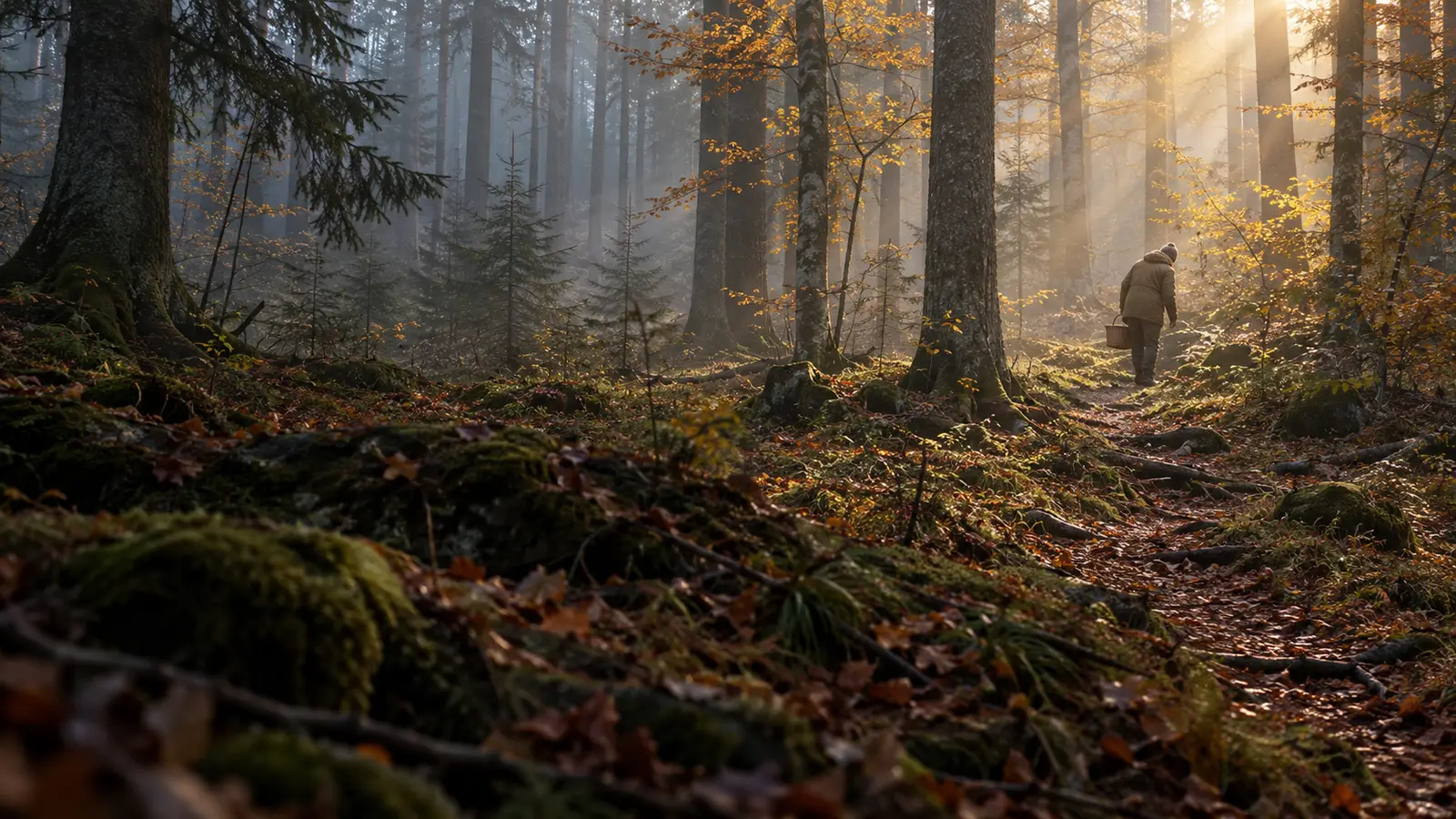 NatureA full basket or an empty forest? Why mushrooms are growing only in some places this yearAfter a dry summer, foragers report abundant growth from some forests and empty baskets from others. What decides the haul is not one nice day but the water left in the soil from the last few weeks, and an honest knowledge of what is allowed into the basket.Published 24 min read
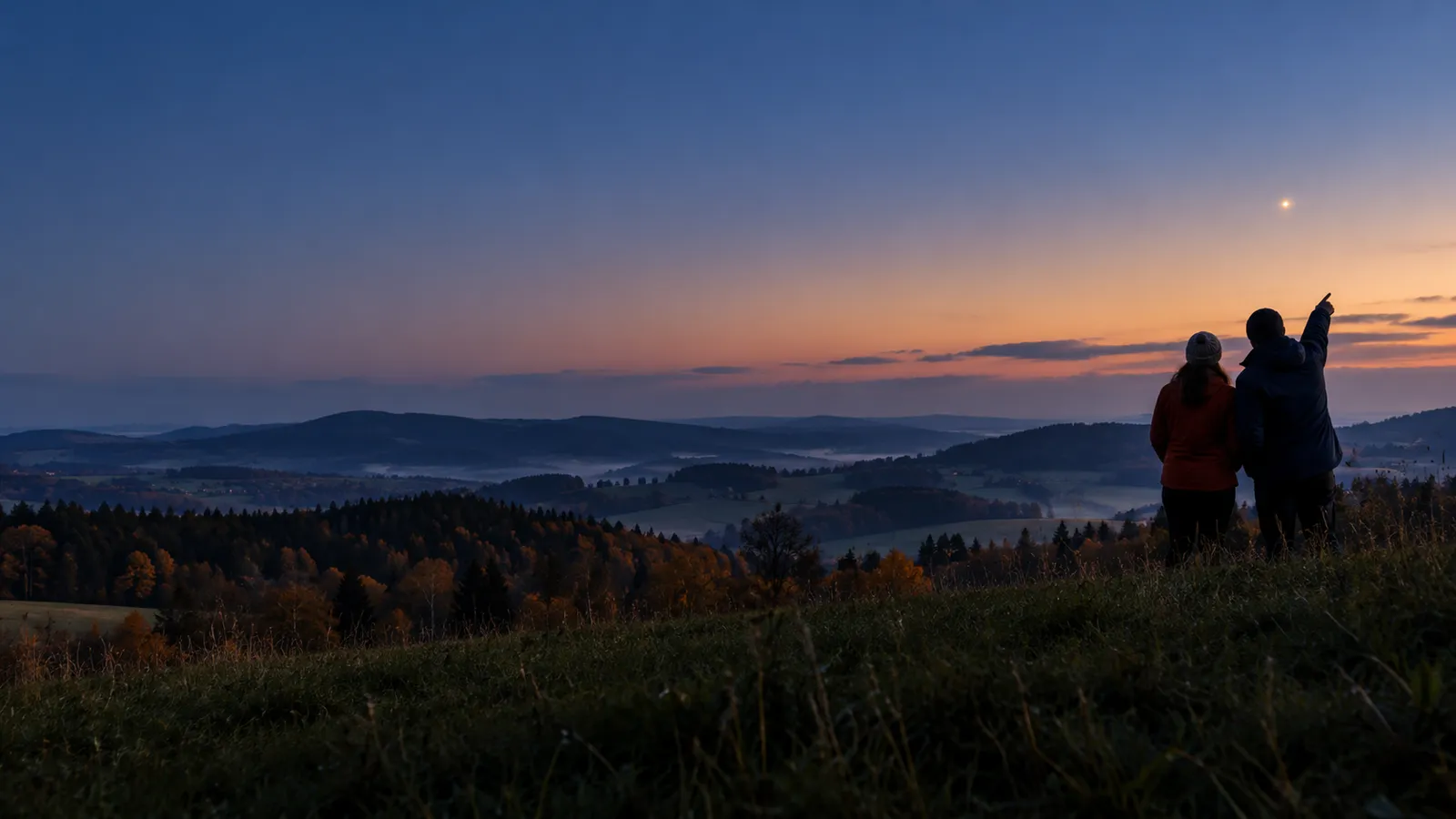 SkySaturn is closest and brightest, so why do its rings look almost like a thin line this year?Saturn is now at its closest to Earth and at its brightest, yet most people overlook it, and its famous rings look almost like a thin line this year. Where should you look in the evening, and what can you expect to see with the naked eye, binoculars and a small telescope?Published 12 min read
 SpaceTen years of Starship and what is not commonly known about the giant SpaceX rocketTen years ago Starship was just an animation of a flight to Mars and a big dream of Elon Musk. Today it stands about 124 metres tall and its lower stage can be caught in the arms of a tower after its return so that it can fly again. What has it learned, what still lies ahead, and why does the return of people to the Moon hang on it?Published 20 min read
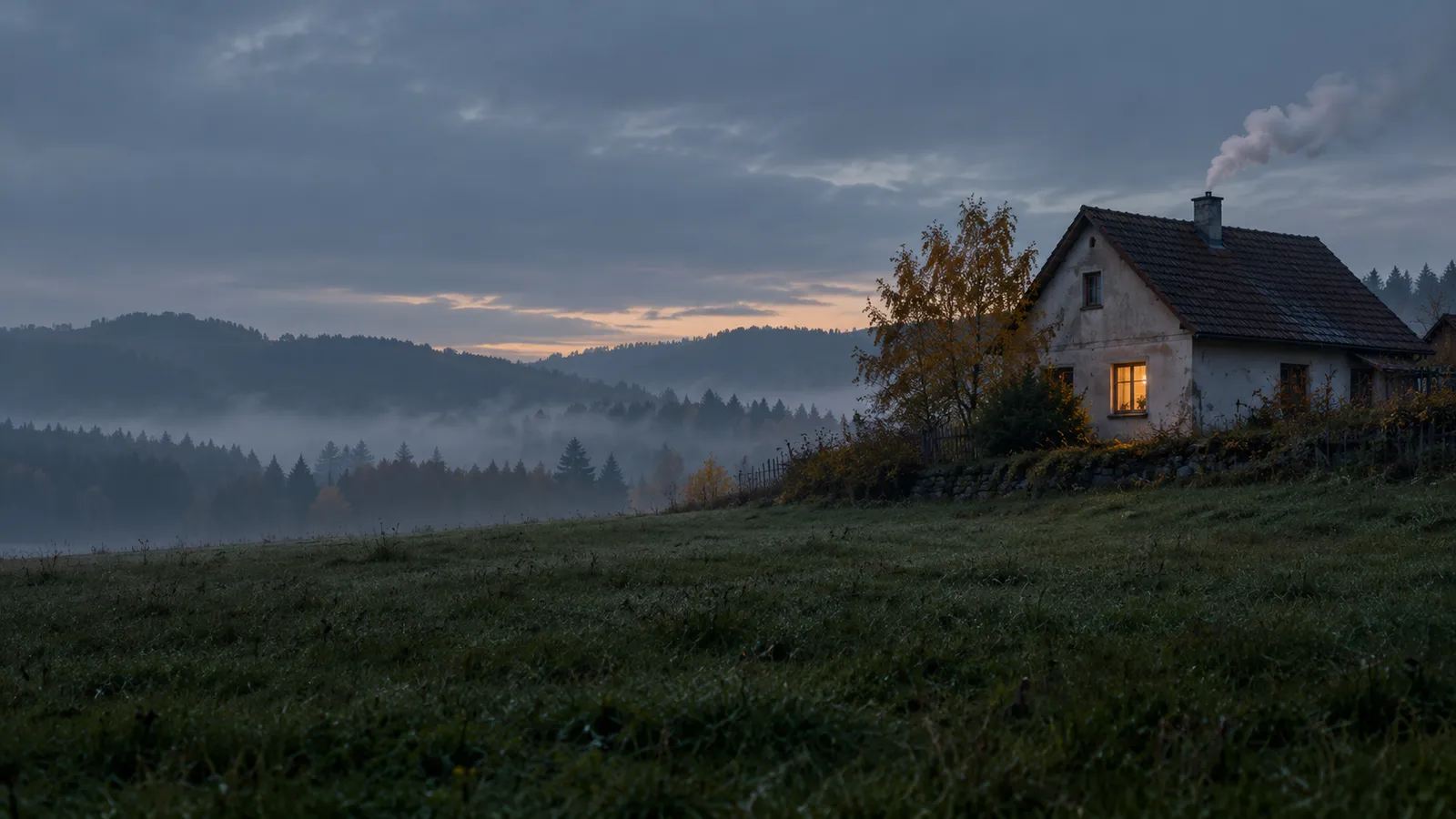 WeatherWhen should the heating come on? 13 °C decides, not the calendarUnder Czech regulations the heating period runs from September to May, but heat suppliers only switch on once the average outdoor temperature has dropped below 13 °C on two consecutive days and no warming is expected. We explain how this is worked out, why it differs from place to place and how warm homes are meant to be.Published 10 min read
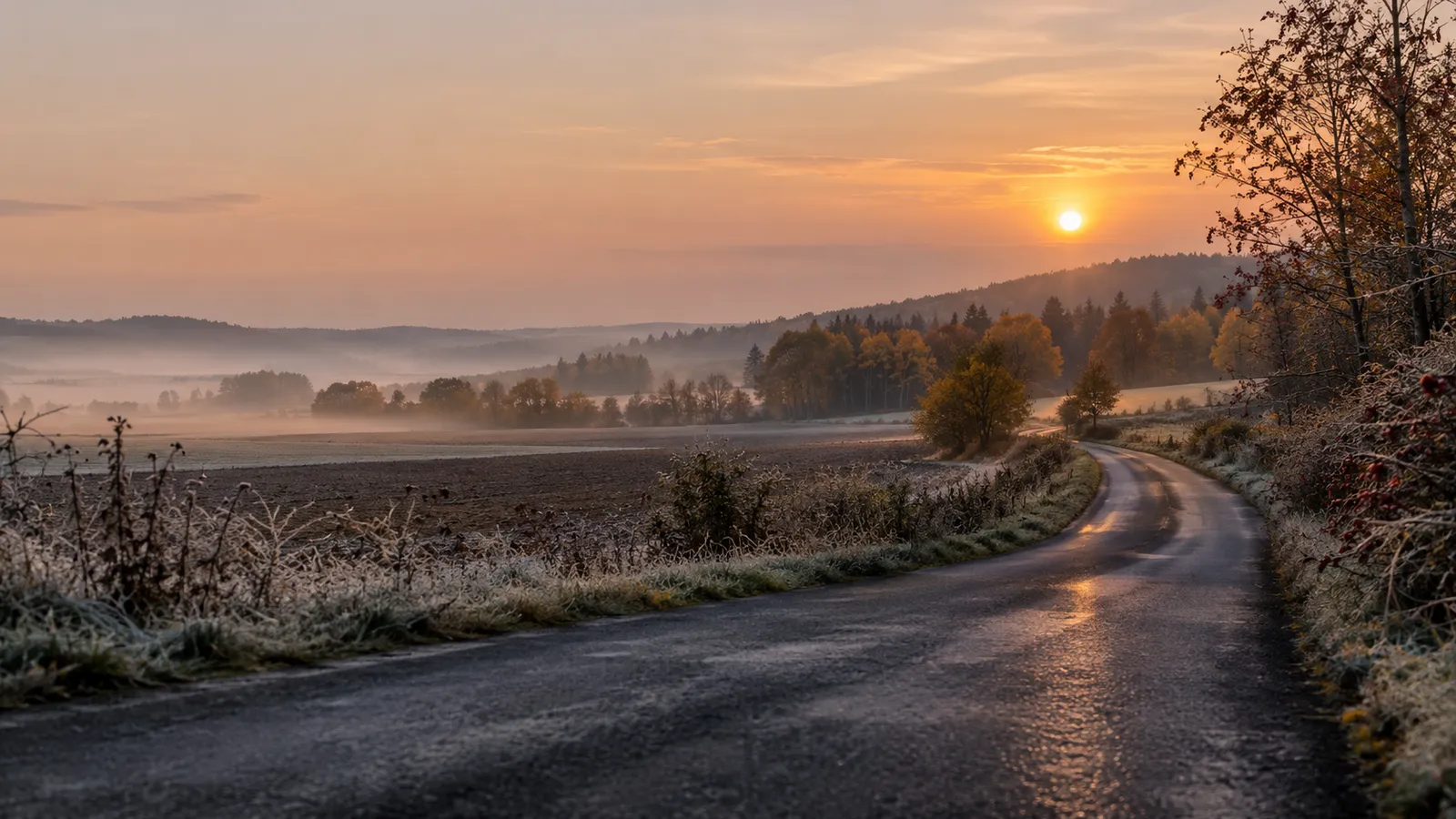 WeatherWhen to switch to winter tyres? Go by the temperatureCzech law requires winter tyres only from 1 November, and even then only under certain conditions. But summer rubber stops gripping properly before the first snow falls.Published 11 min read
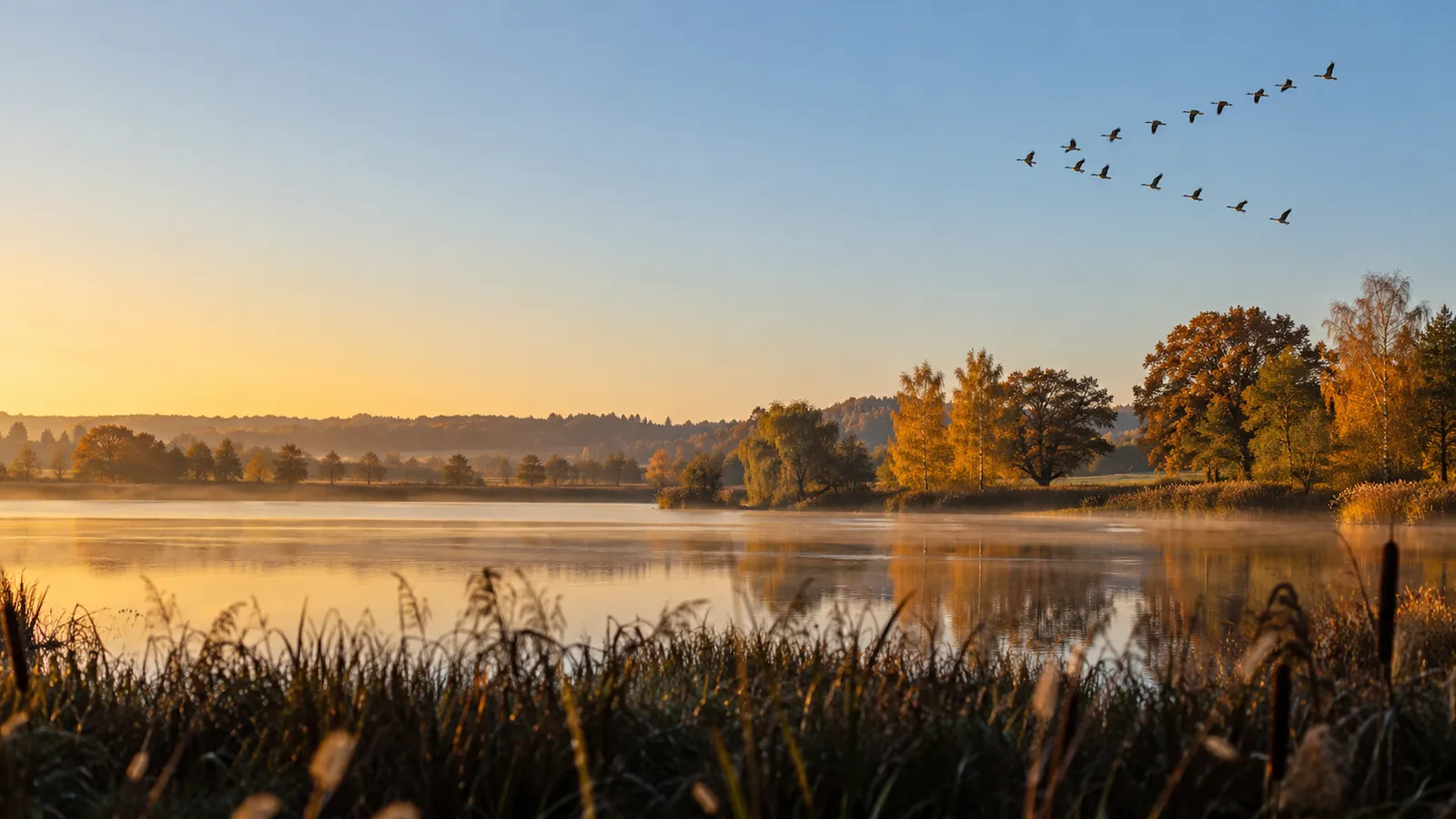 NatureCranes and geese – why they fly in a V formationFlocks of cranes and geese are now migrating over the Czech Republic this autumn, and many of them fly in a sharp V. Why do birds choose this particular shape, how much does it really save them, and how do other birds fare?Published 8 min read
 WeatherWhen and how long to air your home in winter to freshen the air without chilling the flatA few minutes with the windows wide open works best, ideally with a through draught, especially in the morning and after showering or cooking. The air is replaced quickly while the walls and furniture stay warm. A window left permanently tilted open is a worse choice.Published 6 min read
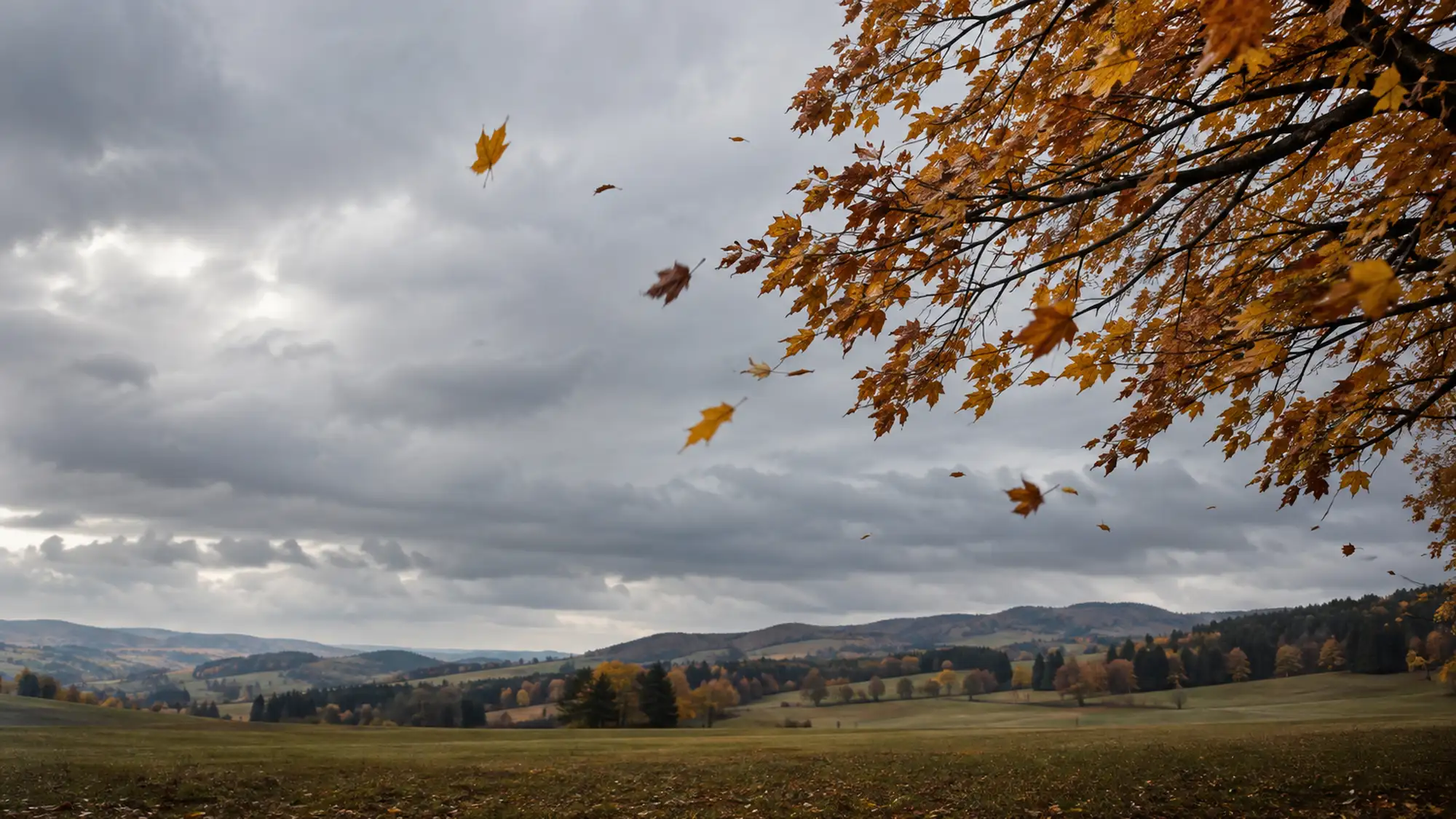 WeatherWhere autumn wind comes from and why it often strengthensWind arises from differences in air pressure, and in autumn the contrast between the cooling north and the still-warm south grows. We explain where wind comes from, how to read it and where the explanation reaches its limits.Published 6 min read
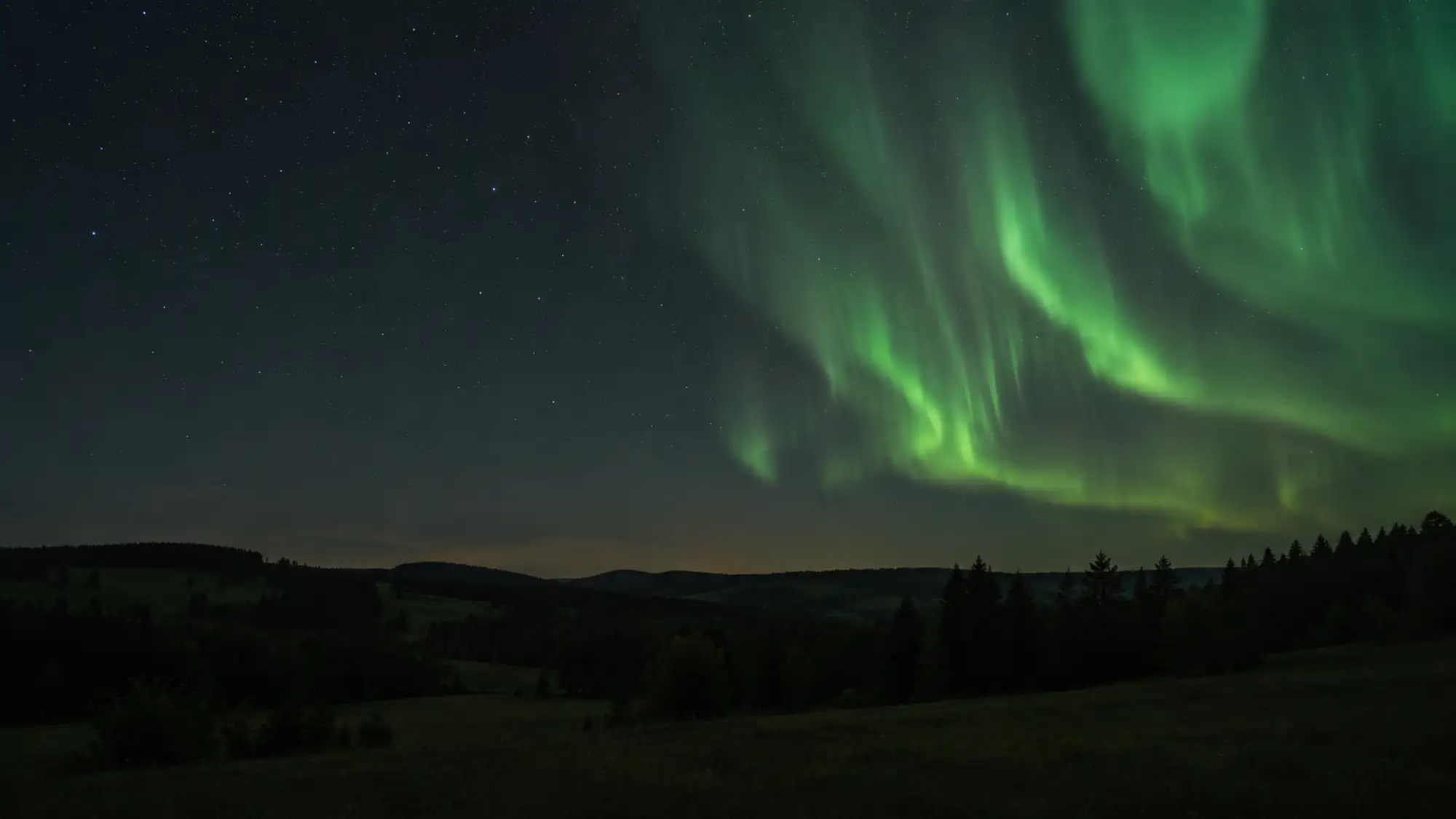 SkyWhat the aurora is, how it forms and why it is so rarely seen in the Czech RepublicThe aurora is light produced a hundred kilometres or more above the ground, when accelerated electrons make oxygen and nitrogen glow in the upper atmosphere. In the Czech Republic it can be seen only during exceptionally strong geomagnetic storms.Published 6 min read
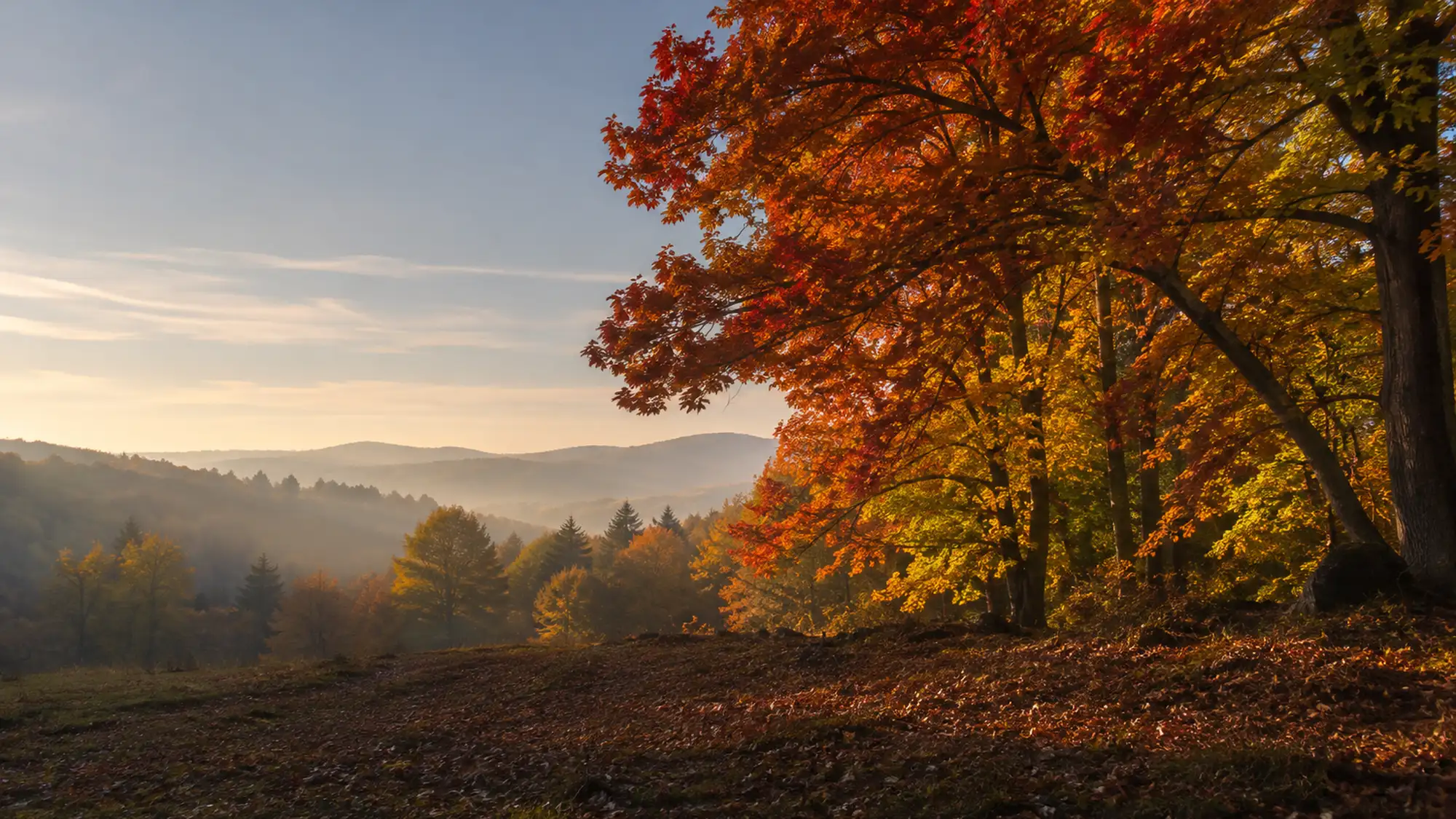 NatureWhy leaves turn yellow, red and brown in autumn, and when it happensIn autumn yellow is merely revealed, red is newly made, and brown is usually a mix of pigments or a sign of a dead leaf. The change is set off by shorter days and cold, to a different degree in each species. In the Czech Republic the colours usually peak in October.Published 5 min read
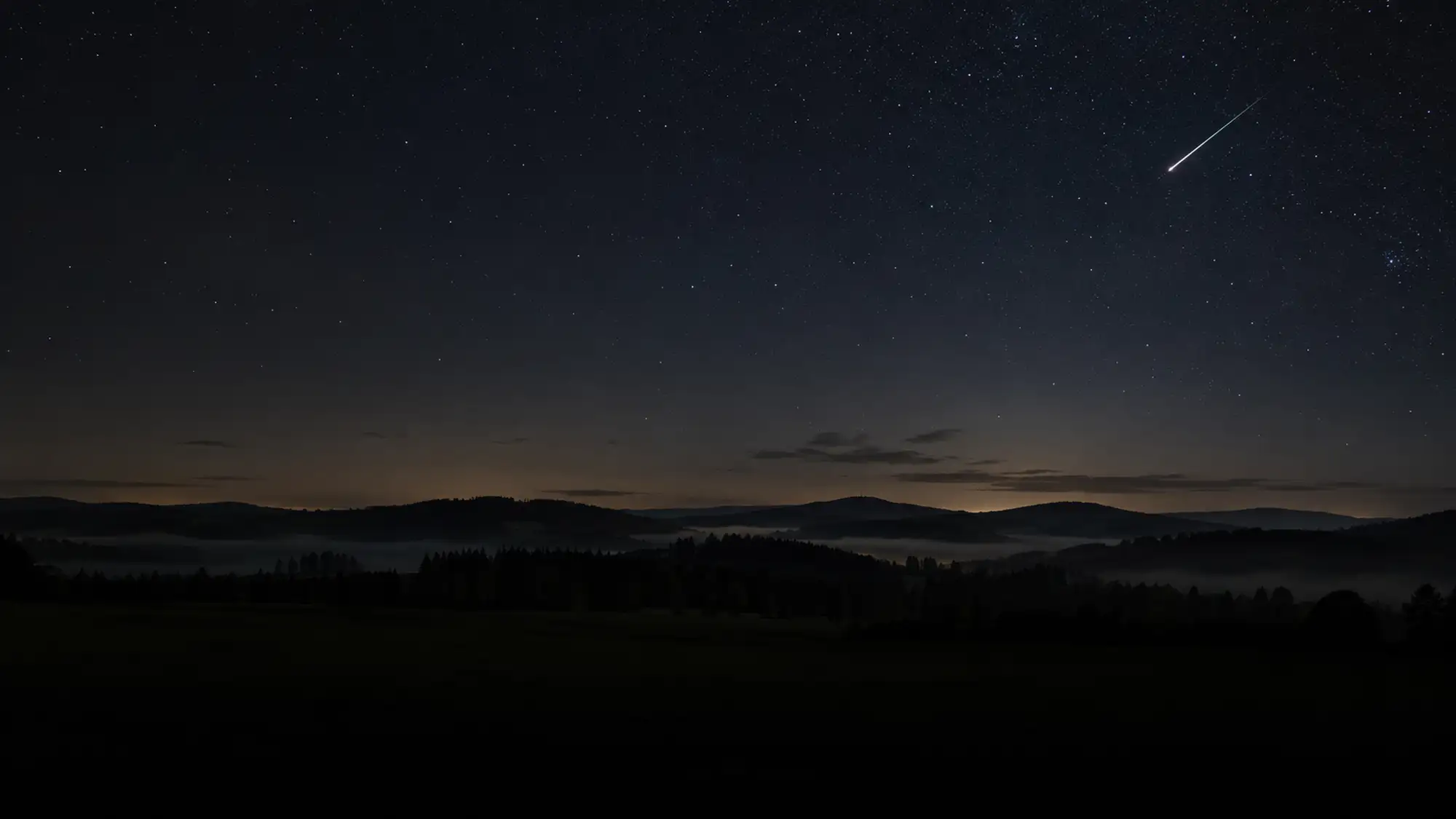 SkyA bright Moon spoils this year's Orionids. When can you still see them?Few people know that the Orionids are nothing more than burning dust from Halley's Comet, which returns to the inner solar system roughly once every 76 years. This year, though, an overly bright Moon will spoil the view. We have worked out the hours when you will see the Orionids best.Published 8 min read
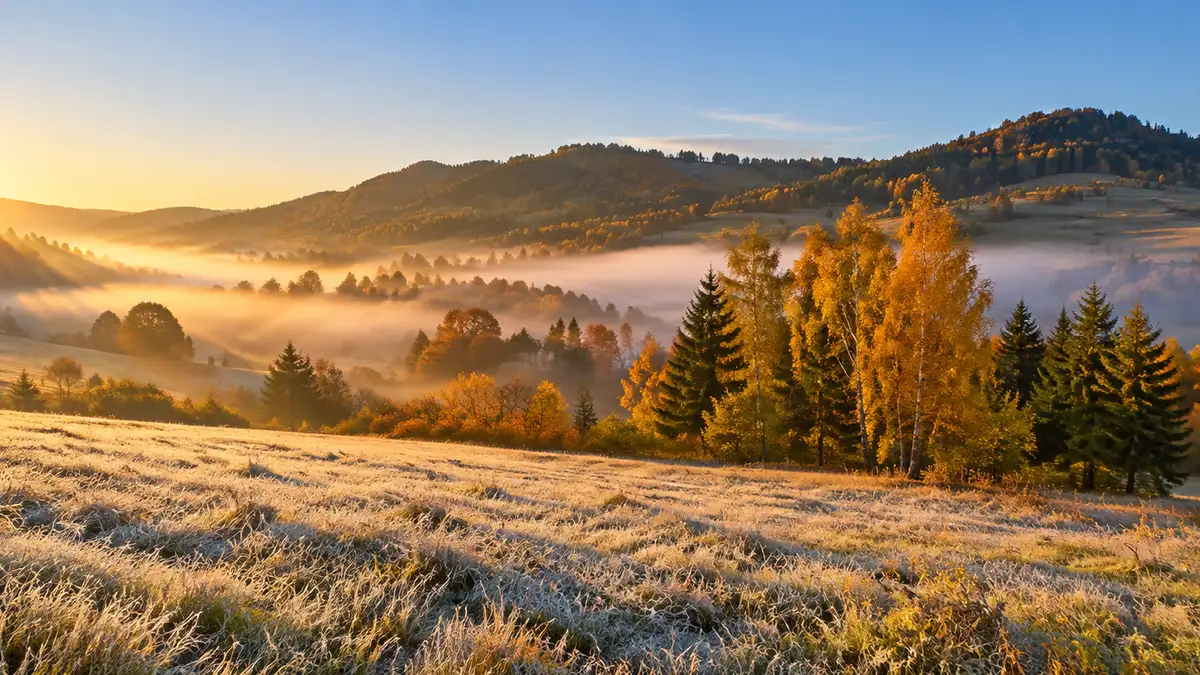 WeatherBabí léto and the biggest temperature swings that will surprise youBabí léto, the Czech counterpart of an Indian summer, is marked among other things by large temperature differences between morning and afternoon. In Strakonice, a town in South Bohemia, it was −4.1 °C by the grass on the morning of 30 September and, according to preliminary data, 24.8 °C in the afternoon. How is that possible?Published 9 min readData as of
